

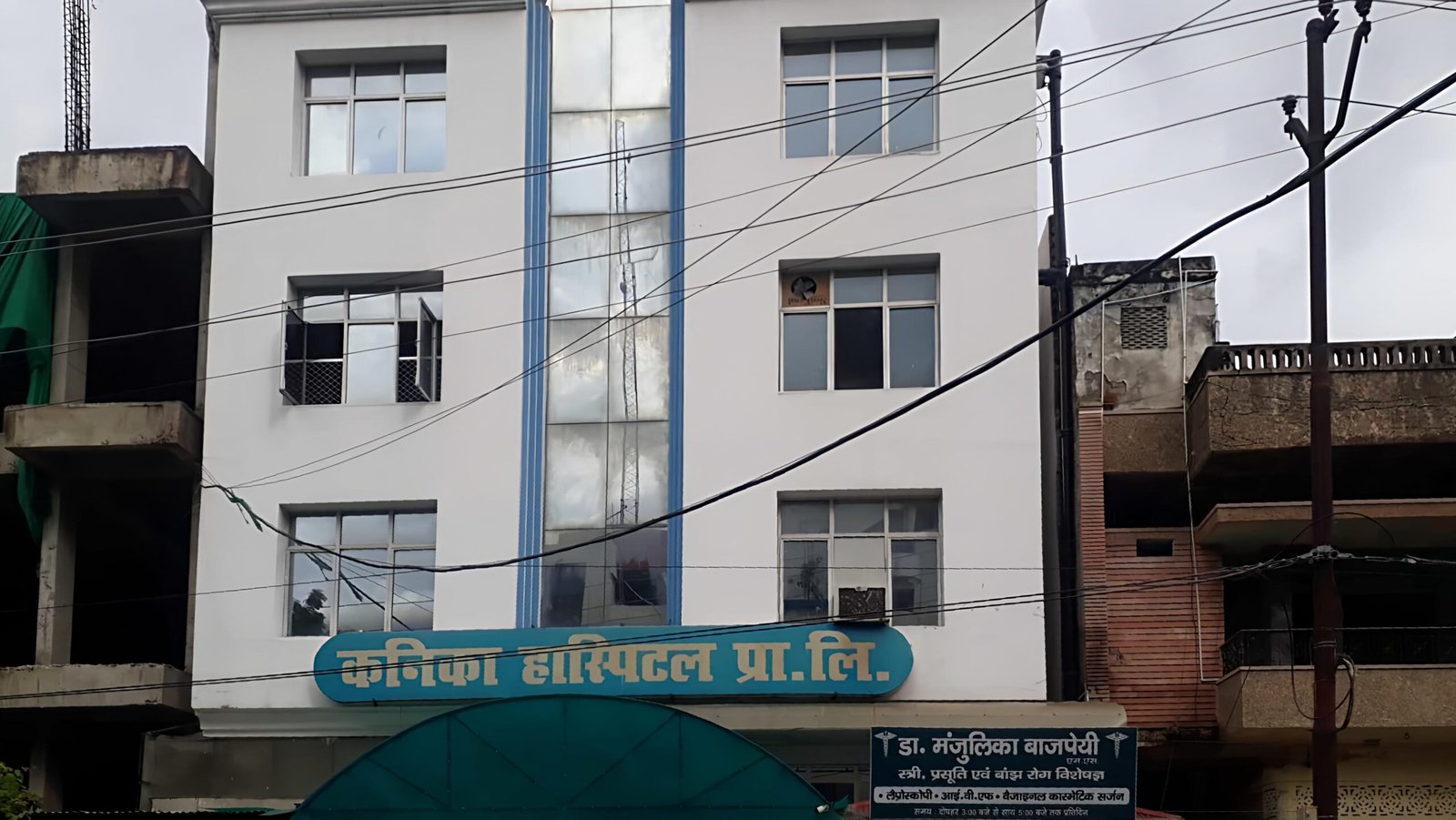
Kannika Hospital: Comprehensive Eye Care and Advanced Ophthalmic Services
Introduction
Good vision plays an essential role in everyday life. From reading and working to recognising people and moving safely through our surroundings, healthy eyesight affects almost every aspect of daily living. When an eye problem develops, timely consultation with a qualified eye-care professional can help in understanding the condition and identifying appropriate treatment options.
Kannika Hospital, Kanpur, located in Harsh Nagar, is a healthcare facility with a strong focus on ophthalmology and eye care. The hospital has been associated with specialised ophthalmic services including cataract, glaucoma, retinal care, strabismus and oculoplasty-related treatment. The hospital is also listed in government healthcare records for specialised ophthalmology services.
This blog provides an informative overview of Kannika Hospital, its eye-care services, diagnostic technologies and the importance of regular eye examinations.
About Kannika Hospital
Kannika Hospital Pvt. Ltd. is located at 111/A/5, Harsh Nagar, Kanpur, Uttar Pradesh – 208002. Public records identify the hospital as an ophthalmology-focused healthcare facility.
The hospital has been associated with eye-care services for many years. A company profile identifies Kannika Hospital as having been founded in 2004 and describes its focus on ophthalmic specialists, training and research activities.
Government healthcare records have listed Kannika Hospital for a range of ophthalmology services, including cataract and glaucoma care, medical and surgical retinal services, strabismus, oculoplasty and other specialised eye treatments.
Patients should confirm current doctor availability, services, consultation timings and charges directly with the hospital before visiting.
Comprehensive Eye Care
Eye health can involve many different conditions, and not every vision problem has the same cause.
A comprehensive eye examination may involve checking visual acuity, eye pressure, the retina, the optic nerve and other structures depending on the patient’s symptoms and age.
Regular eye examinations can be particularly important for people who have diabetes, high blood pressure, a family history of eye disease, previous eye problems or age-related vision changes.
Early evaluation can help identify certain eye conditions before they cause significant vision problems.
Cataract Treatment
Cataract is one of the common causes of reduced vision, particularly among older adults. It occurs when the natural lens of the eye becomes cloudy.
Kannika Hospital is listed for cataract surgery and has historically been listed with equipment including an IOL Master, A-scan and other ophthalmic diagnostic technologies.
Cataract surgery generally involves removing the cloudy natural lens and replacing it with an artificial intraocular lens.
The decision to undergo cataract surgery depends on factors such as the degree of visual impairment and its effect on daily activities.
Patients should discuss the available lens options, surgical approach, expected recovery and possible risks with their ophthalmologist.
Glaucoma Care
Glaucoma refers to a group of eye conditions that can damage the optic nerve and may lead to permanent vision loss if not appropriately managed.
One challenge with glaucoma is that it may develop gradually without obvious symptoms in its early stages.
Kannika Hospital is listed for cataract and glaucoma services in government healthcare records.
Eye-pressure measurement and other examinations can help ophthalmologists evaluate glaucoma risk and monitor patients who have already been diagnosed.
People with a family history of glaucoma or other risk factors may benefit from discussing appropriate screening intervals with an eye-care professional.
Retina and Retinal Care
The retina is a light-sensitive layer at the back of the eye that plays a major role in vision.
Retinal conditions can occur for various reasons, including diabetes, age-related changes, vascular problems and other medical conditions.
Government records have listed Kannika Hospital for medical and surgical retinal services.
Patients experiencing sudden changes in vision, flashes of light, a sudden increase in floaters or a curtain-like shadow across their vision should seek urgent professional eye assessment.
Some retinal conditions require timely treatment to reduce the risk of permanent vision loss.
Diabetic Eye Health
Diabetes can affect several parts of the body, including the eyes.
Diabetic retinopathy can damage retinal blood vessels and may progress without obvious symptoms during its early stages.
People with diabetes should follow their healthcare professional’s recommendations regarding eye examinations.
Regular monitoring can help identify retinal changes and allow appropriate treatment or referral when required.
Good diabetes management and regular medical follow-up are also important components of reducing the risk of diabetes-related complications.
Strabismus and Squint Treatment
Strabismus, commonly called squint, occurs when the eyes are not properly aligned.
It can occur in children as well as adults. In children, early evaluation may be particularly important because some eye conditions can affect the development of normal vision.
Kannika Hospital is listed among facilities providing strabismus-related ophthalmology services.
Treatment depends on the underlying cause and may involve glasses, exercises, medical management or surgery in selected cases.
Parents should seek professional evaluation if they notice persistent eye misalignment or unusual eye movements in a child.
Oculoplasty and Adnexal Services
Oculoplasty involves medical and surgical care related to the eyelids, orbit and surrounding structures of the eye.
Government healthcare records list oculoplasty and adnexal services among the specialised ophthalmology services associated with Kannika Hospital.
Problems involving the eyelids or structures around the eyes can sometimes affect vision, comfort or appearance.
An ophthalmologist can determine the appropriate treatment based on the underlying condition.
Advanced Ophthalmic Diagnostic Equipment
Accurate diagnosis is an important part of modern eye care.
Historical government healthcare listings for Kannika Hospital mention several ophthalmic technologies, including:
- A-scan
- C-LASIK laser
- Fundus photography
- IOL Master
- YAG laser
- Optical Coherence Tomography (OCT)
- Cataract surgery facilities
These technologies can support different aspects of eye evaluation and treatment.
Optical Coherence Tomography
OCT is an imaging technology that produces detailed cross-sectional images of structures within the eye. It can be useful in evaluating conditions involving the retina and optic nerve.
Fundus Photography
Fundus photography allows healthcare professionals to capture images of the back of the eye, including the retina and optic nerve.
IOL Master and A-Scan
Biometry technologies such as IOL Master and A-scan can be used for measurements that help ophthalmologists plan certain types of cataract surgery.
YAG Laser
YAG laser procedures can be used for selected eye conditions following appropriate ophthalmic evaluation.
The availability and current use of specific equipment should always be confirmed directly with the hospital.
Importance of Regular Eye Examinations
Many eye conditions can develop gradually. A person may not notice a significant change until the condition has progressed.
Regular eye examinations can therefore be an important part of maintaining eye health.
People should consider professional eye evaluation if they experience:
- Blurred vision
- Difficulty reading
- Frequent changes in vision
- Eye pain
- Redness that persists
- Flashes or sudden floaters
- Difficulty seeing at night
- Headaches associated with visual tasks
- Sudden loss or significant reduction of vision
Sudden vision loss or severe eye symptoms should be treated as potentially urgent and require prompt medical attention.
Eye Care for Children
Children’s eye health deserves special attention because vision plays an important role in learning and development.
Parents should watch for signs such as:
- Frequent squinting
- Sitting very close to screens or books
- Tilting the head while looking
- One eye turning inward or outward
- Frequent eye rubbing
- Difficulty seeing the board
- Poor visual attention
If any concerning signs are noticed, parents should arrange an eye examination with an appropriate eye-care professional.
Early detection of vision problems can be important for children’s visual development.
Preparing for an Eye Consultation
Patients can make their appointment more productive by carrying previous eye reports, prescriptions and medical information.
It can be useful to tell the ophthalmologist about:
- Previous eye surgeries
- Current glasses or contact lenses
- Diabetes
- Blood pressure problems
- Current medications
- Previous eye injuries
- Family history of eye disease
Patients should also explain when symptoms started and whether they are getting better or worse.
For surgical consultations, patients should ask about the procedure, expected recovery, possible risks, alternatives and follow-up schedule.
Why Location Matters
Kannika Hospital is located in Harsh Nagar, Kanpur, making it accessible to residents of Harsh Nagar and surrounding areas.
For patients requiring regular eye consultations or follow-up appointments, a convenient location can make ongoing care easier.
However, location should be considered alongside the patient’s medical requirements, relevant specialist availability, treatment options and other practical factors.
Healthcare and Patient Awareness
Good healthcare involves more than simply visiting a hospital. Patients should actively participate in understanding their condition and treatment.
Useful questions to ask an ophthalmologist may include:
- What is causing my vision problem?
- Are additional tests required?
- What treatment options are available?
- Is surgery necessary?
- What are the potential risks?
- How long may recovery take?
- When should I return for follow-up?
- Are there warning signs that require urgent attention?
Understanding these points can help patients make informed decisions about their eye care.
Conclusion
Kannika Hospital, Harsh Nagar, Kanpur, is an ophthalmology-focused healthcare facility associated with a range of specialised eye-care services. Government healthcare records have listed the hospital for cataract and glaucoma care, medical and surgical retinal services, strabismus, oculoplasty and other specialised ophthalmology services.
Historical government listings have also documented ophthalmic equipment and services including A-scan, C-LASIK laser, fundus photography, IOL Master, YAG laser, OCT and cataract surgery.
For people looking for specialised eye care in Kanpur, Kannika Hospital is one facility that can be explored based on individual healthcare requirements.
Before visiting, patients should confirm the current services, doctors, appointment schedule, fees and availability directly with the hospital.
Most importantly, persistent or sudden changes in vision should not be ignored. Timely consultation with a qualified eye-care professional can help in understanding the condition and determining the appropriate next step.
Frequently Asked Questions
Where is Kannika Hospital located?
Kannika Hospital is listed at 111/A/5, Harsh Nagar, Kanpur, Uttar Pradesh – 208002.
What is Kannika Hospital known for?
The hospital is primarily associated with ophthalmology and specialised eye-care services.
Does Kannika Hospital provide cataract treatment?
Cataract surgery is among the services documented in government healthcare listings for the hospital.
Does the hospital provide glaucoma and retinal care?
Government healthcare records list cataract/glaucoma and medical and surgical retinal services for Kannika Hospital.
Does Kannika Hospital provide eye diagnostic services?
Historical listings mention technologies including A-scan, fundus photography, IOL Master, YAG laser and OCT. Patients should confirm current availability directly with the hospital.
Should I contact the hospital before visiting?
Yes. It is advisable to confirm the current doctor schedule, consultation fees, available services and appointment process before visiting.
Disclaimer: This article is for general informational purposes only and is not medical advice, diagnosis or treatment. Hospital services, doctors, equipment and timings may change. Please verify current information directly with Kannika Hospital before making healthcare decisions.