

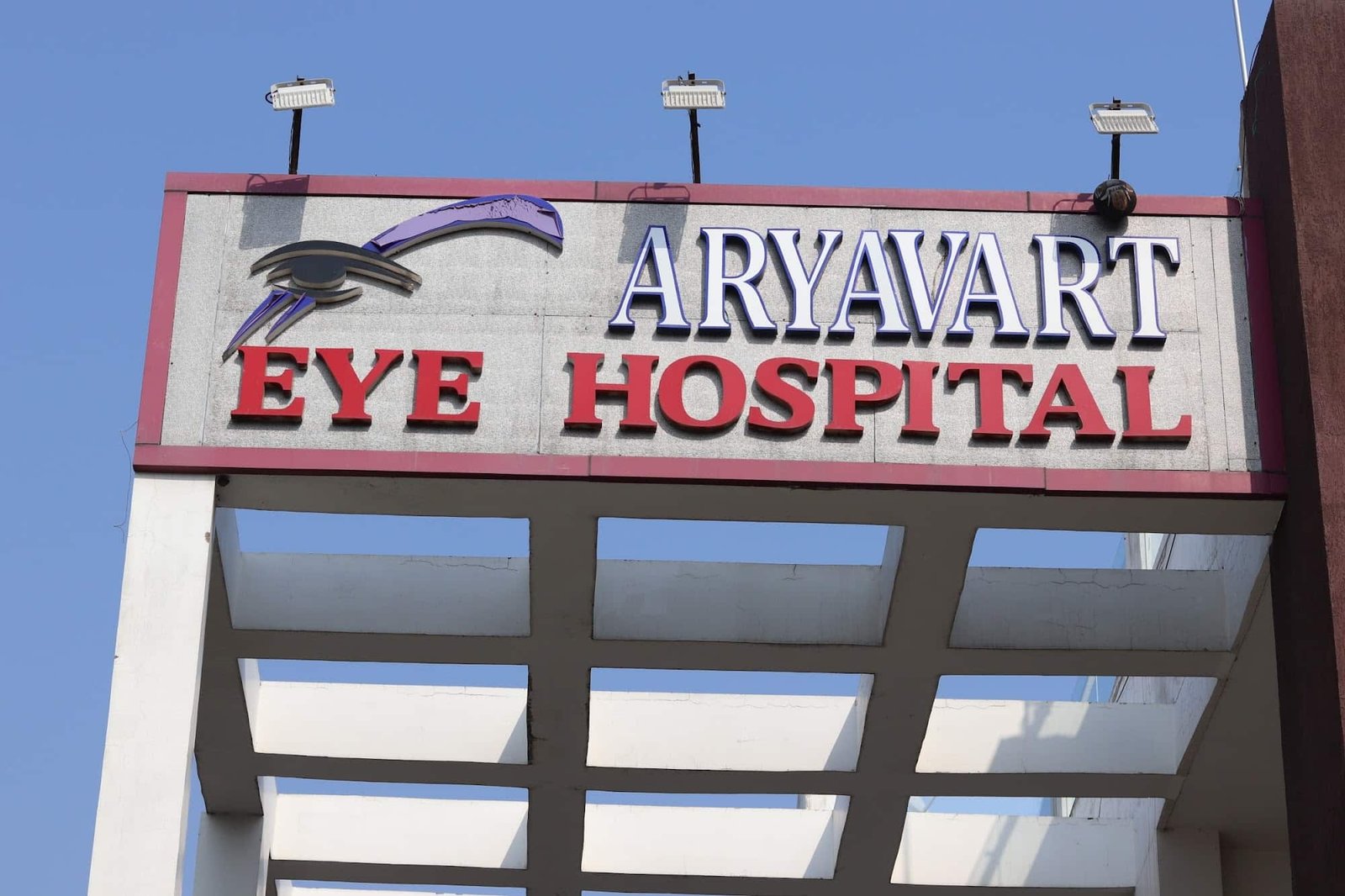
Aryavart Eye Hospital & Research Centre Raebareli: Comprehensive Eye Care Services
Introduction
Healthy vision is an important part of everyday life. From education and professional work to driving, reading and performing routine activities, good eyesight contributes significantly to independence and quality of life. Regular eye examinations and timely treatment can help identify many eye conditions and support long-term eye health.
Aryavart Eye Hospital & Research Centre, Raebareli, is a specialised eye-care facility providing ophthalmic services for patients with a wide range of eye conditions. The centre was established in 2011 and is located on Jail Road, Anand Nagar, opposite the Stadium in Raebareli, Uttar Pradesh.
The hospital provides services across areas including cataract care, glaucoma, retina and diabetic eye care, refractive surgery, pediatric ophthalmology and oculoplasty.
This article provides an informative overview of Aryavart Eye Hospital & Research Centre and the different areas of eye care that patients may explore.
About Aryavart Eye Hospital & Research Centre
Aryavart Eye Hospital & Research Centre is a specialised ophthalmology facility in Raebareli.
The hospital’s listed address is:
688/27, Jail Road, Opposite Stadium, Anand Nagar, Raebareli, Uttar Pradesh – 229001.
The centre was established in 2011 and focuses on comprehensive and specialised eye care.
Its publicly listed services include:
- Cataract surgery
- Glaucoma management
- Retina care
- Diabetic eye care
- Pediatric ophthalmology
- LASIK
- ICL surgery
- Oculoplasty
- General eye examinations
The centre is also listed in the NABH database as an eye-care centre in Raebareli.
Patients should confirm current doctors, consultation timings, treatment availability and charges directly with the hospital before visiting.
Comprehensive Eye Care
Eye problems can affect people of different ages and may have many different causes.
A comprehensive eye examination allows an ophthalmologist to evaluate the different structures of the eye and identify potential problems.
Depending on symptoms and medical history, an eye examination may include assessment of:
- Visual acuity
- Eye pressure
- Cornea
- Lens
- Retina
- Optic nerve
- Eye movements
- Visual field
Additional investigations may be recommended when required.
Regular eye examinations can be particularly important for people with diabetes, glaucoma risk factors, previous eye disease or a family history of certain eye conditions.
Cataract Surgery
A cataract occurs when the natural lens of the eye becomes cloudy. It can gradually reduce vision and may make everyday activities more difficult.
Common symptoms can include:
- Blurred vision
- Difficulty seeing at night
- Increased sensitivity to glare
- Faded colours
- Difficulty reading
- Frequent changes in spectacle prescription
Aryavart Eye Hospital & Research Centre lists cataract surgery among its ophthalmic services.
Cataract surgery generally involves removing the cloudy natural lens and replacing it with an artificial intraocular lens.
The decision to undergo surgery depends on the patient’s symptoms, examination findings and effect of reduced vision on daily activities.
Patients should discuss lens options, surgical techniques, recovery expectations and possible risks with their ophthalmologist.
Glaucoma Treatment
Glaucoma refers to a group of eye conditions that can damage the optic nerve.
The disease can progress gradually, and some people may have few noticeable symptoms during the early stages.
Aryavart Eye Hospital lists glaucoma management among its services.
A glaucoma evaluation may involve measuring eye pressure, examining the optic nerve and performing additional tests when required.
Treatment can vary depending on the type and severity of glaucoma. It may include medication, laser treatment or surgery in selected cases.
Because glaucoma can require long-term monitoring, regular follow-up is an important part of management.
Retina and Diabetic Eye Care
The retina is the light-sensitive layer at the back of the eye and plays a central role in vision.
Retinal disorders can occur due to diabetes, ageing, vascular problems, inflammation and other conditions.
Aryavart Eye Hospital provides retina and diabetic eye-care services.
Diabetic retinopathy is one condition that can develop when diabetes affects the blood vessels of the retina.
People with diabetes may not experience significant symptoms during the early stages of retinal disease. Regular eye examinations can therefore help identify changes at an earlier stage.
Patients with diabetes should follow their physician’s advice regarding blood-glucose control and recommended eye examinations.
Warning Signs of Retinal Problems
Certain symptoms require prompt professional evaluation.
These may include:
- Sudden changes in vision
- New flashes of light
- Sudden increase in floaters
- Distorted vision
- A dark curtain or shadow in the visual field
- Sudden reduction or loss of vision
Sudden vision loss is an urgent medical concern and should be evaluated immediately.
LASIK and Refractive Surgery
Refractive errors can cause blurred vision and may include myopia, hyperopia and astigmatism.
Glasses and contact lenses are common methods of correcting refractive errors.
Some patients may also be suitable for refractive surgery.
Aryavart Eye Hospital & Research Centre lists LASIK among its services.
LASIK uses laser technology to reshape the cornea and correct certain refractive errors.
However, not every patient is suitable for LASIK. A detailed eye examination is required to evaluate factors such as corneal health, refractive stability and overall eye condition.
Patients should discuss potential benefits, limitations, risks and alternatives before deciding on refractive surgery.
ICL Surgery
Implantable Collamer Lens (ICL) surgery is another refractive option for selected patients.
Unlike LASIK, ICL treatment involves placing a specialised lens inside the eye.
It may be considered for certain patients who are not suitable candidates for some laser-based procedures, depending on their individual eye characteristics.
Aryavart Eye Hospital lists ICL surgery among its refractive services.
An ophthalmologist must determine whether this procedure is appropriate after a detailed examination.
Pediatric Eye Care
Children have specific eye-care needs because vision development takes place during childhood.
Aryavart Eye Hospital lists pediatric eye care among its services.
Parents should consider arranging an eye examination if a child:
- Frequently squints
- Holds books very close
- Has difficulty seeing distant objects
- Complains of blurred vision
- Frequently rubs the eyes
- Tilts the head while looking
- Has one eye turning inward or outward
Early identification of vision problems can be important for normal visual development.
Children may not always recognise or communicate that they have a vision problem, which makes observation and appropriate screening useful.
Oculoplasty
Oculoplasty involves medical and surgical care related to the eyelids, orbit and surrounding structures.
Aryavart Eye Hospital lists oculoplasty among its ophthalmic services.
Conditions affecting the eyelids or tissues around the eye can sometimes cause functional problems, discomfort or changes in appearance.
Treatment depends on the underlying condition and may involve medical management or surgery.
Patients should undergo a proper ophthalmic evaluation before considering any oculoplastic procedure.
General Eye Check-Up
A routine eye examination can be useful even when a person does not have obvious symptoms.
Eye examinations can help assess vision and identify certain conditions that may not initially produce noticeable symptoms.
People may benefit from regular eye checks depending on:
- Age
- Medical history
- Family history
- Diabetes
- Existing eye conditions
- Use of corrective lenses
- Previous eye surgery
The recommended frequency of eye examinations varies from person to person.
Advanced Diagnostic Evaluation
Accurate diagnosis is an important part of ophthalmic care.
Depending on the patient’s condition, an ophthalmologist may recommend specialised diagnostic tests.
These tests can help evaluate structures such as the cornea, lens, retina and optic nerve.
Patients should bring previous reports and prescriptions to consultations whenever possible.
Providing information about previous eye surgery, injuries, medications and medical conditions can also help the doctor understand the patient’s history.
Eye Care for People with Diabetes
Diabetes can affect multiple parts of the body, including the eyes.
High blood glucose levels over time can damage retinal blood vessels and contribute to diabetic eye disease.
People with diabetes should follow their healthcare professional’s advice regarding:
- Blood-glucose management
- Blood-pressure control
- Regular eye examinations
- Medication
- Lifestyle management
Patients should not wait for significant vision problems before undergoing an eye examination.
Eye Care for Older Adults
Age-related changes can affect vision.
Older adults may experience conditions such as cataract, glaucoma or retinal disorders.
Regular ophthalmic examinations can help monitor age-related changes and identify conditions requiring treatment.
Family members can also help older adults by paying attention to changes such as difficulty reading, problems with mobility or increased difficulty seeing in low light.
Patient Consultation
Patients should provide complete and accurate information during an eye consultation.
Useful information includes:
- Current symptoms
- Duration of symptoms
- Previous eye problems
- Previous eye surgery
- Current glasses prescription
- Medical conditions
- Current medications
- Allergies
- Previous diagnostic reports
Patients should also ask questions about their diagnosis and treatment.
Useful questions may include:
- What is the diagnosis?
- Are additional tests required?
- What treatment options are available?
- Is surgery necessary?
- What are the possible risks?
- How long may recovery take?
- What follow-up will be required?
Choosing an Eye Hospital
When selecting an eye-care centre, patients may consider several factors.
Specialist Services
Check whether the hospital provides the specialty relevant to the condition.
Diagnostic Facilities
Ask whether required tests are available.
Surgical Services
For patients considering surgery, discuss the available procedures and techniques.
Follow-Up Care
Understand the post-treatment monitoring schedule.
Costs
Confirm consultation, diagnostic and procedure-related charges.
Location
Consider accessibility, especially when multiple follow-up visits may be required.
These factors can help patients make informed healthcare decisions.
Location and Accessibility
Aryavart Eye Hospital & Research Centre is located at:
688/27, Jail Road, Opposite Stadium, Anand Nagar, Raebareli, Uttar Pradesh – 229001.
The location provides access to specialised ophthalmic care for residents of Raebareli and surrounding areas.
Patients travelling from outside the city should confirm the current appointment schedule and hospital timings before visiting.
Conclusion
Aryavart Eye Hospital & Research Centre, Raebareli, is a specialised eye-care facility established in 2011 and located on Jail Road, Anand Nagar, opposite the Stadium.
The centre provides ophthalmic services covering several areas, including cataract surgery, glaucoma management, retina and diabetic eye care, LASIK, ICL surgery, pediatric eye care and oculoplasty.
Regular eye examinations can play an important role in maintaining vision, particularly for people with diabetes, glaucoma risk factors, previous eye disease or age-related concerns.
Patients experiencing sudden vision loss, flashes, a sudden increase in floaters or other significant changes in vision should seek prompt professional medical attention.
Before visiting Aryavart Eye Hospital, patients should confirm current doctors, services, appointment timings, fees and treatment availability directly with the centre.
Good eye care involves appropriate screening, accurate diagnosis, timely treatment and regular follow-up under the guidance of qualified eye-care professionals.
Frequently Asked Questions
Where is Aryavart Eye Hospital located?
Aryavart Eye Hospital & Research Centre is located at Jail Road, Anand Nagar, opposite Stadium, Raebareli, Uttar Pradesh – 229001.
When was Aryavart Eye Hospital established?
The hospital’s official information states that it was established in 2011.
What services does Aryavart Eye Hospital provide?
Its listed services include cataract surgery, glaucoma management, retina care, diabetic eye care, pediatric ophthalmology, LASIK, ICL surgery and oculoplasty.
Does the hospital provide cataract surgery?
Yes. Cataract surgery is among its listed ophthalmic services.
Does Aryavart Eye Hospital provide LASIK?
Yes. LASIK is listed among its refractive eye-care services.
Does the hospital provide ICL surgery?
Yes. ICL surgery is listed among its refractive services for appropriately selected patients.
Does Aryavart Eye Hospital provide pediatric eye care?
Yes. Pediatric eye care is among the services listed by the centre.
Should I contact the hospital before visiting?
Yes. Patients should confirm current doctor availability, appointment timings, consultation fees and specific treatment availability before visiting.
Disclaimer: This article is for general informational purposes only and does not constitute medical advice, diagnosis or treatment. Hospital services, doctors, timings, fees and facilities may change. Please verify current information directly with Aryavart Eye Hospital & Research Centre before making healthcare decisions.