

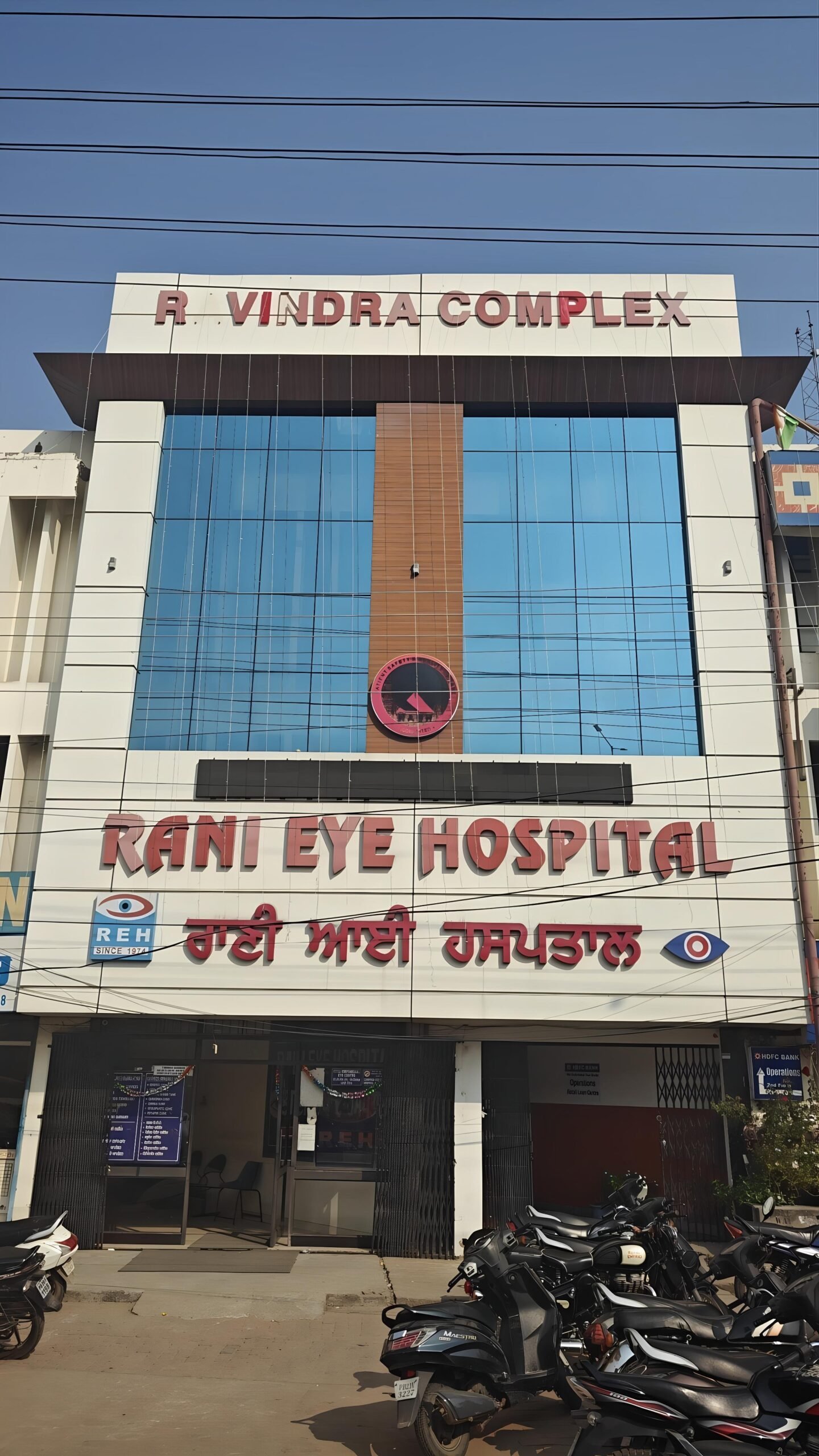
Rani Eye Hospital Khanna Punjab: Comprehensive Eye Care and Treatment
Introduction
Good vision is essential for everyday life. From reading and working to driving, studying and performing routine activities, healthy eyesight plays an important role in overall well-being. Regular eye examinations and timely treatment can help people manage many common eye conditions and protect their vision.
Rani Eye Hospital, Khanna, Punjab, is an eye-care hospital located on G.T. Road, opposite the New Bus Stand in Khanna. The hospital provides a range of ophthalmic services covering conditions such as cataract, glaucoma, retinal disorders and refractive problems.
The hospital’s publicly available information also lists services related to oculoplasty and specialised eye examinations.
This article provides an informative overview of Rani Eye Hospital, its eye-care services, treatment areas and factors patients can consider when seeking professional eye care.
About Rani Eye Hospital
Rani Eye Hospital is an eye-care facility located in Khanna, Punjab.
The hospital’s listed address is:
G.T. Road, Opposite New Bus Stand, Khanna, Punjab – 141401.
The hospital provides specialised ophthalmic services for patients with different eye conditions.
Its publicly listed areas of care include:
- Cataract treatment
- Refractive surgery
- Glaucoma care
- Retina care
- Oculoplastic surgery
- General eye examinations
Patients should confirm current doctors, appointment timings, treatment availability and charges directly with the hospital before visiting.
Cataract Treatment
A cataract develops when the natural lens of the eye becomes cloudy. It can gradually reduce vision and may make activities such as reading, driving or recognising people more difficult.
Cataracts are common with increasing age, although they can also develop for other reasons.
Rani Eye Hospital lists cataract care and surgery among its ophthalmic services.
An ophthalmologist can evaluate the severity of a cataract and determine whether treatment or surgery is appropriate.
If cataract surgery is recommended, patients may discuss the procedure, intraocular lens options, recovery period, possible risks and follow-up requirements with their surgeon.
Phacoemulsification
Phacoemulsification, commonly called phaco surgery, is a widely used cataract-surgery technique.
During the procedure, the cloudy natural lens is removed and replaced with an artificial intraocular lens.
The suitability of a particular surgical technique depends on the patient’s eye condition, medical history and surgeon’s assessment.
Rani Eye Hospital publicly lists cataract surgical services, including phaco-related procedures.
Patients should discuss their individual condition and available lens options with their ophthalmologist before surgery.
Micro-Incision Cataract Surgery
Micro-incision cataract surgery, or MICS, involves the use of a small surgical incision.
The choice of cataract-surgery technique depends on several factors, including the patient’s eye condition and the surgeon’s clinical assessment.
Patients should ask their doctor about the expected benefits, limitations, recovery time and potential complications associated with the recommended procedure.
Glaucoma Care
Glaucoma refers to a group of eye diseases that can damage the optic nerve.
The condition can progress gradually and may not cause noticeable symptoms in its early stages.
Rani Eye Hospital lists glaucoma treatment among its eye-care services.
Depending on the patient’s condition, glaucoma evaluation may involve checking eye pressure, examining the optic nerve and conducting visual-field or other diagnostic tests.
Treatment may involve medicines, laser procedures or surgery depending on the type and severity of glaucoma.
Regular follow-up can be important for people diagnosed with glaucoma because the condition may require long-term monitoring.
Retina Care
The retina is a light-sensitive layer at the back of the eye that plays a central role in vision.
Retinal disorders can occur due to diabetes, ageing, vascular problems, inflammation, injury and other causes.
Rani Eye Hospital lists retina care among its specialised ophthalmic services.
Symptoms such as sudden vision changes, flashes of light, a sudden increase in floaters or a curtain-like shadow in the field of vision require prompt medical evaluation.
Sudden loss of vision should be treated as an urgent medical situation.
Diabetic Eye Care
Diabetes can affect the blood vessels of the retina and may lead to diabetic retinopathy.
One challenge with diabetic eye disease is that significant retinal damage can sometimes develop before a person notices major changes in vision.
People with diabetes should therefore follow their healthcare professional’s recommendations regarding blood sugar control and regular eye examinations.
An ophthalmologist can determine the appropriate screening and monitoring schedule based on factors such as the duration of diabetes and the patient’s individual risk profile.
Refractive Surgery
Refractive errors can cause blurred vision.
Common refractive conditions include:
- Myopia
- Hyperopia
- Astigmatism
Glasses and contact lenses are commonly used to correct these conditions.
Selected patients may also be evaluated for refractive surgical procedures.
Rani Eye Hospital lists refractive surgery among its services.
However, refractive surgery is not appropriate for everyone. A detailed eye examination is required to determine eligibility.
Patients should understand the potential benefits, risks, limitations and alternatives before deciding on any refractive procedure.
Oculoplastic Surgery
Oculoplastic surgery involves procedures relating to the eyelids, orbit and surrounding structures of the eye.
Such procedures may be performed for functional, reconstructive or other medically appropriate reasons.
Rani Eye Hospital lists oculoplastic surgery among its specialised services.
Conditions involving the eyelids or tissues surrounding the eye can sometimes affect comfort, appearance or vision.
The appropriate treatment depends on the underlying condition and should be determined following an examination by a qualified ophthalmologist.
Comprehensive Eye Examination
Regular eye examinations are important even when a person does not experience obvious symptoms.
An eye examination may involve assessment of:
- Visual acuity
- Eye pressure
- Cornea
- Lens
- Retina
- Optic nerve
- Eye movements
- Visual field
Additional tests may be recommended depending on the patient’s age, symptoms and medical history.
People with diabetes, glaucoma risk factors or a history of eye disease may require more frequent monitoring.
Eye Care for Children
Children can also develop vision problems that may affect learning and development.
Parents should consider professional eye evaluation if a child:
- Frequently squints
- Holds books very close
- Complains of blurred vision
- Has difficulty seeing the board
- Frequently rubs the eyes
- Tilts the head while viewing objects
- Has one eye turning inward or outward
Early assessment can help identify vision problems that may require treatment.
Parents should consult an eye-care professional rather than relying solely on assumptions about a child’s vision.
Importance of Early Eye Care
Many eye conditions are easier to manage when identified early.
Some diseases, such as glaucoma and diabetic retinal disease, may progress without obvious symptoms during their early stages.
Regular eye examinations can help identify changes before they significantly affect vision.
People should seek professional care if they experience:
- Persistent blurred vision
- Eye pain
- Redness with vision changes
- Sudden flashes
- New floaters
- Double vision
- Sudden vision loss
Sudden or severe symptoms may require urgent medical attention.
Patient Consultation and Treatment Planning
Before beginning treatment, patients should understand their diagnosis and available options.
Useful questions to ask an ophthalmologist include:
- What is the diagnosis?
- What caused the condition?
- Are additional tests required?
- What treatment options are available?
- Is surgery necessary?
- What are the possible risks?
- How long is the expected recovery?
- What follow-up will be required?
Clear communication can help patients understand their treatment plan.
Preparing for an Eye-Hospital Visit
Patients can make their consultation more productive by carrying relevant medical information.
Useful documents may include:
- Previous eye reports
- Current glasses prescription
- Previous surgery records
- Medication list
- Diabetes reports
- Blood-pressure information
- Previous diagnostic scans
Patients should also inform the doctor about any previous eye injury, surgery or chronic medical condition.
Insurance and Cashless Treatment
Healthcare expenses can vary depending on the diagnosis, procedure and treatment requirements.
Patients with health insurance should confirm whether the hospital and the planned treatment are covered under their insurance policy.
It is advisable to ask about:
- Insurance eligibility
- Cashless facility
- Pre-authorisation
- Room or procedure charges
- Non-covered expenses
- Documentation requirements
Patients should verify the current insurance and cashless arrangements directly with the hospital and their insurer.
Government Recognition
Rani Eye Hospital, Khanna, has also been referenced in government healthcare documentation.
The Ministry of Health and Family Welfare issued a 2024 memorandum concerning recognition of Rani Eye Hospital, Khanna, Punjab, for treatment of eligible Central Government employees under the applicable Central Services (Medical Attendance) Rules.
Patients should verify current eligibility and applicable terms before relying on any government or institutional healthcare arrangement.
Choosing an Eye Hospital
When selecting an eye-care facility, patients may consider several factors.
Specialist Availability
Check whether the required ophthalmic speciality is available.
Diagnostic Facilities
Ask whether necessary diagnostic tests are available at the facility.
Surgical Services
For patients requiring surgery, discuss the procedure and available techniques with the ophthalmologist.
Follow-Up Care
Understand the expected follow-up schedule after treatment.
Cost
Confirm consultation, diagnostic, surgical and other applicable charges.
Insurance
Check whether the treatment is covered by your health insurance.
These factors can help patients make informed healthcare decisions.
Location and Accessibility
Rani Eye Hospital is located at:
G.T. Road, Opposite New Bus Stand, Khanna, Punjab – 141401.
Its location on G.T. Road makes it accessible to residents of Khanna and surrounding areas.
Patients travelling from outside Khanna should confirm the current location and appointment schedule before travelling.
Conclusion
Rani Eye Hospital, Khanna, Punjab, is an eye-care hospital offering services across several areas of ophthalmology.
Its publicly listed services include cataract care, phaco surgery, glaucoma treatment, retina care, refractive surgery, oculoplastic surgery and comprehensive eye examinations.
Eye health requires regular attention, particularly for people who have diabetes, glaucoma risk factors, previous eye disease or a family history of certain eye conditions.
Timely professional evaluation can help identify eye problems and determine appropriate treatment.
Patients considering treatment at Rani Eye Hospital should confirm current doctor availability, consultation timings, treatment options, costs, insurance arrangements and other relevant details directly with the hospital.
Good eye care involves regular examinations, timely treatment, appropriate follow-up and communication with qualified eye-care professionals.
Frequently Asked Questions
Where is Rani Eye Hospital located?
Rani Eye Hospital is located on G.T. Road, opposite the New Bus Stand, Khanna, Punjab – 141401.
What treatments does Rani Eye Hospital provide?
Public information lists cataract, glaucoma, retina, refractive and oculoplastic services along with general eye examinations.
Does Rani Eye Hospital provide cataract surgery?
Yes. Cataract surgery, including phaco-related procedures, is among its listed eye-care services.
Does the hospital provide glaucoma treatment?
Yes. Glaucoma care is listed among its specialised ophthalmic services.
Does Rani Eye Hospital provide retina care?
Yes. Retina-related eye care is among the hospital’s listed services.
Does the hospital provide refractive surgery?
Yes. Refractive surgery is listed among its ophthalmic services, subject to individual patient evaluation.
Should I make an appointment before visiting?
It is advisable to confirm the current appointment schedule, doctor availability and required consultation process before visiting.
Disclaimer: This article is for general informational purposes only and does not constitute medical advice, diagnosis or treatment. Hospital services, doctors, timings, fees, insurance arrangements and facilities may change. Please verify current information directly with Rani Eye Hospital before making healthcare decisions.